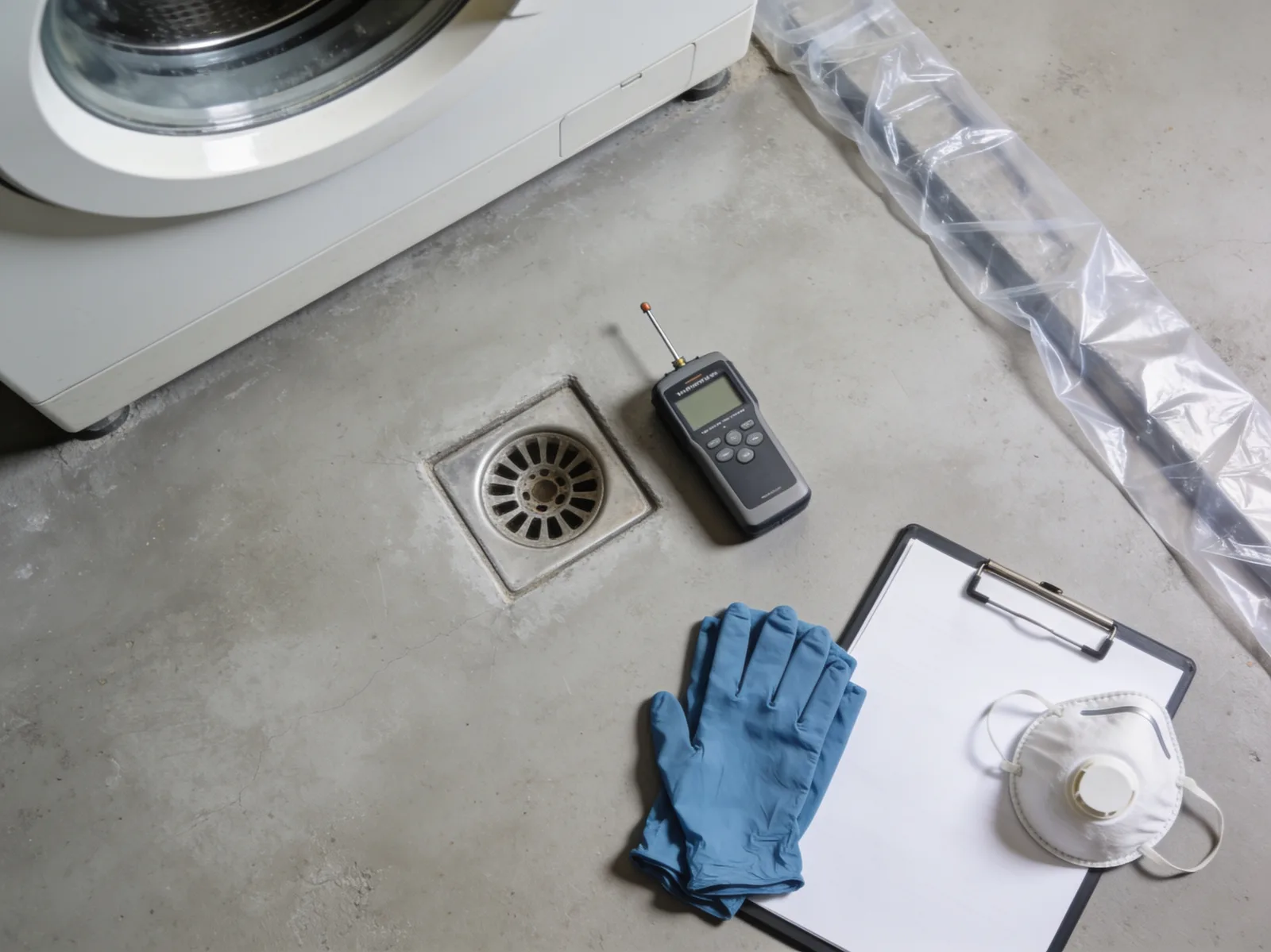
Sewage removal is the first physical step of any sewage job: getting the liquid and solids out of the building so the cleaning and drying can start. A few inches of sewage across a basement floor is a lot of weight and volume, far more than buckets and a mop can handle safely. We connect you with local crews in Soper, OK that bring the pumps and extraction equipment to do it.
How sewage gets pumped out
The equipment depends on depth and access. For deep water, crews use submersible trash pumps that can handle some solids and push the water to an approved discharge point. For shallow water across a floor, they use extraction wands connected to a portable unit or a truck-mounted system parked outside. Hoses run through a window or door, and the crew keeps the path covered so they don't track waste through clean rooms. Where the waste goes is regulated, and a reputable crew knows the local rules on discharge.
Solids and soaked materials
Once the liquid is out, what's left is sludge and anything that soaked it up. The crew shovels or vacuums the solids, then bags soaked materials in heavy contractor bags. Typical removal list:
- Carpet and pad, cut into strips and rolled
- Drywall and insulation below the cut line
- Cardboard boxes, paper and soft stored items
- Particleboard furniture and cabinet bases
Walls are handled on their own, as covered on the page for removing sewage-damaged drywall.
Why removal is not the whole job
Pumping the water out leaves contamination behind on every surface it touched. That is why removal is followed by scrubbing and disinfection, explained under sewage sanitization, and by several days of drying. Skipping either step tends to leave a smell, and sometimes mold, that shows up weeks later. The crew should leave moisture readings that show the structure reached dry targets before anything gets rebuilt or carpeted again.
What affects the cost
The volume of sewage, the depth, access to the area (a walkout basement is easier than a crawl space), how much material has to be bagged and hauled, and the disposal requirements all factor in. If sewage came from a septic system rather than a city line, the tank may also need pumping, which is a separate service; see septic backup cleanup.
Don't touch sewage without gloves and boots, and keep children and pets away from the area. If the cause is a blocked line, a plumber may be needed before you use water again. Call (217) 404-1483 and we will connect you with a crew for sewage removal in Soper, OK.